
NYDIG Close to Buying Alcoa’s Massena New York Smelter Site for Bitcoin Mining Operations


Key Takeaways:
- According to a recent report, Alcoa is in advanced talks to sell its Massena East smelter site to NYDIG, with a deal expected to close by mid-2026.
- The 435 MW New York facility already hosts ~54,000 bitcoin miners and NYDIG took a stake in Coinmint there in October 2024.
- NYDIG’s acquisition follows its March 2025 agreement to buy Crusoe Energy’s bitcoin mining business, adding over 270 MW of capacity.
NYDIG Eyes Full Control of Massena Bitcoin Mining Campus
The deal would transfer full ownership of the approximately 435 MW hydropower-connected campus along the St. Lawrence River to NYDIG, which already holds a strategic stake in the site’s existing bitcoin mining operation. Alcoa CEO Bill Oplinger confirmed in an April 17, 2026, interview that Alcoa is in advanced-stage negotiations, according to a report published by Jacob Lorinc of Bloomberg.
Oplinger said the company expects the transaction to close around the middle of the year. The Massena East facility has operated as a bitcoin mining campus since 2018, when Alcoa signed a 10-year lease with Coinmint, which later rebranded its local operations as North Country Colocation Services. NYDIG invested in Coinmint in October 2024, giving it the ability to deploy its own mining rigs at the site.
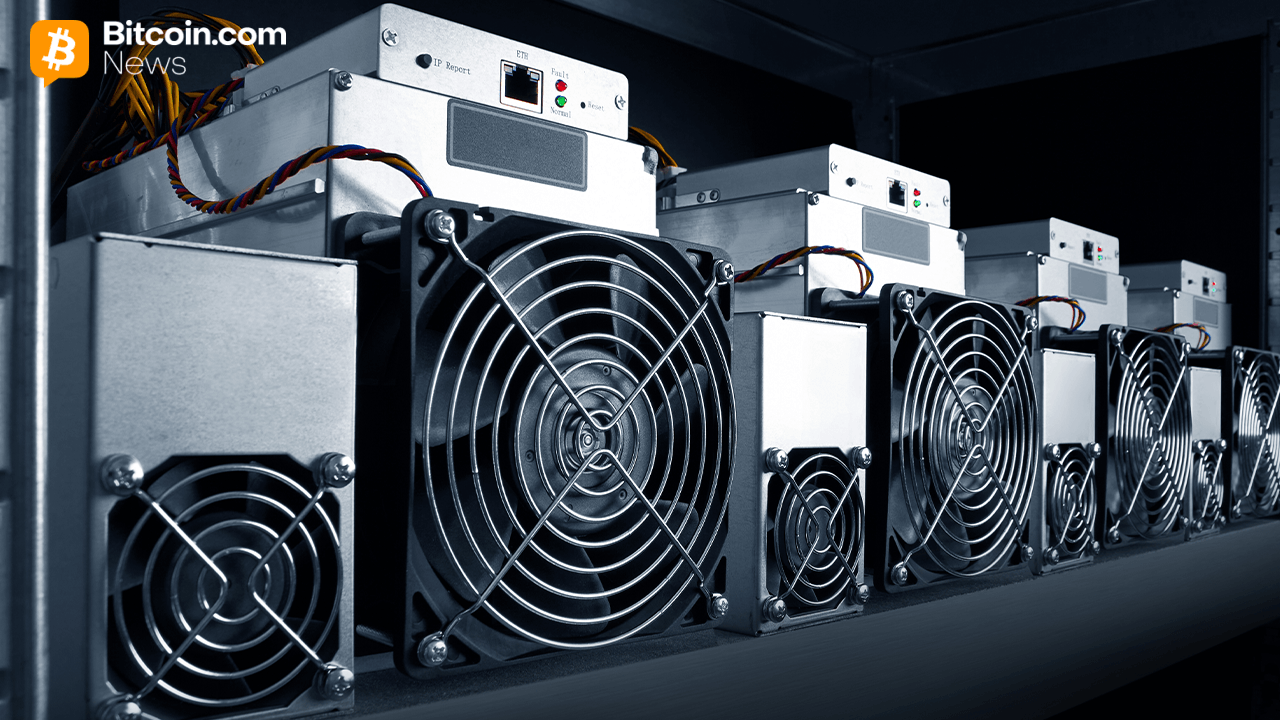
The campus reportedly draws about 166 MW of its approved 435 MW capacity and houses roughly 54,000 bitcoin mining units across six former aluminum smelting lines. Several third-party clients, including Cleanspark, Gryphon, and Bit Digital, have since exited the site.
Alcoa has not disclosed financial terms. During its Q1 2026 earnings call on April 16, Oplinger described the prospective buyer as a prior partner at the site working on a data center project, consistent with Bloomberg’s identification of NYDIG as the buyer.
The Massena East site draws power from the New York Power Authority via the Moses-Saunders hydroelectric dam on the St. Lawrence River. Bitcoin miners and data center operators have targeted former aluminum smelters because the facilities were built for continuous, high-voltage industrial loads, leaving behind dedicated substations and transmission lines that bypass years of new grid interconnection timelines.
Alcoa originally idled Massena East in 2014, citing high energy costs and global competition. The property spans approximately 1,300 acres and includes the full electrical infrastructure built for industrial-scale aluminum production.
The sale is part of Alcoa’s plan to divest roughly 10 dormant U.S. smelter sites. Oplinger said the company has been offering these properties to data center developers and crypto miners seeking large, pre-wired industrial footprints with utility-scale grid access.
NYDIG has moved steadily to expand its physical bitcoin mining capacity. In March 2025, the firm reached an agreement to acquire Crusoe Energy’s bitcoin mining business, which carried more than 270 MW of operating capacity. Combined with other North American mining assets acquired in 2024, the Massena East purchase would give NYDIG direct ownership of a site it has been operating at for over a year.
Alcoa reported strong first-quarter 2026 earnings alongside the deal news, posting net income of $425 million and adjusted EBITDA of $595 million, driven by aluminum prices.
The existing mining operation at Massena employs about 85 full-time workers across Massena and Plattsburgh. Expansion under NYDIG’s ownership is expected to grow that workforce, with the Town of Massena having already updated local regulations to accommodate cryptocurrency and data mining operations.
The deal follows a similar move by Century Aluminum, which sold its Hawesville, Kentucky smelter to Terawulf for roughly $200 million in cash and equity for digital infrastructure use. Repurposing the Massena site for bitcoin mining avoids new power plant construction by routing existing hydropower capacity, a detail that has drawn interest from ESG-focused operators looking to run carbon-free digital infrastructure.


Comments are closed, but trackbacks and pingbacks are open.